
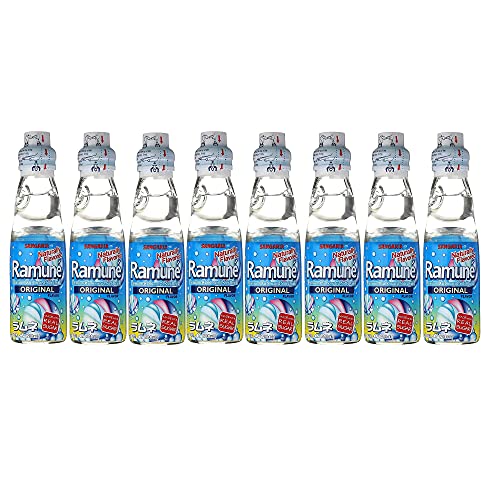
Hata Ramune Original | Japanese Marble Soda
We bring you the authentic taste of Japan with Hata Ramune Original, the classic marble soda that's captured hearts worldwide since 1876. Each 6.76 fl oz Codd-neck bottle delivers crisp, refreshing citrus flavor with gentle carbonation that's perfect for warm days or pairing with your favorite Japanese cuisine.
Our original formula stays true to traditional ramune flavor—a unique lemon-lime profile that's lighter and less sweet than conventional sodas. The signature glass marble seal creates an interactive opening experience that makes every sip memorable, whether you're enjoying it at a summer festival or discovering it for the first time.
Bottle design & flavor profile
How to Open Your Ramune Bottle
The Codd-neck bottle design makes hata ramune instantly recognizable, but first-time drinkers sometimes need guidance on the opening technique. We include a dedicated plastic plunger with every bottle—simply remove the wrapper, place the plunger on top of the marble, and push down firmly with your palm until you hear the satisfying pop.
Keeping the Marble in Place
Once opened, the marble drops into the bottle’s specially designed chamber, where two glass nubs hold it in position. Tilt the bottle at a slight angle when drinking to prevent the marble from blocking the flow. The marble never enters your mouth—it’s secured by the bottle’s internal structure. Many collectors save their marbles after finishing, though extracting them requires breaking the glass, which we only recommend if you’re recycling the bottle properly.
Original Flavor Profile & Ingredients
Our hata ramune original flavor delivers a delicate citrus taste that Japanese consumers describe as “ramune-aji”—literally “ramune flavor,” because nothing else quite compares. The profile sits somewhere between lemon-lime and mild grapefruit, with subtle sweetness that never overwhelms your palate.
We formulate each batch with carbonated water, sugar, citric acid, and natural flavoring to maintain consistency across every production run. The traditional recipe avoids artificial colors, giving the soda its crystal-clear appearance in the glass bottle. At 70 calories per 200ml serving, it offers a lighter alternative to many mainstream sodas while delivering full refreshment.
Storage & Best Serving Temperature
We recommend storing your hata ramune bottles upright in a cool, dry location away from direct sunlight. The glass construction protects flavor integrity better than plastic alternatives, but heat can still affect carbonation levels over time.
Optimal Chilling for Maximum Refreshment
Serve ramune thoroughly chilled at 35-40°F for the best taste experience. We suggest refrigerating bottles for at least two hours before opening, or placing them in an ice bath for 20-30 minutes if you’re short on time. The cold temperature enhances the citrus notes and makes the carbonation feel more crisp on your tongue.
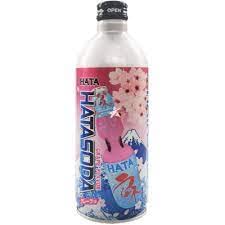
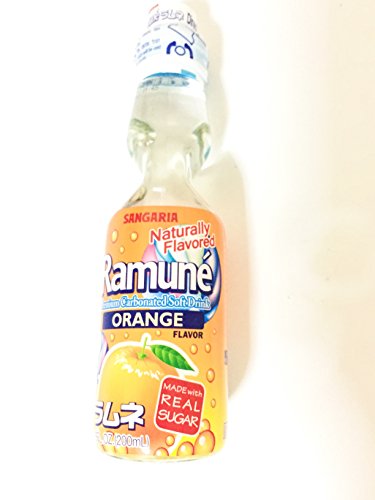
More Japanese Soda Flavors




Rated 4.8 by verified buyers
Questions About Hata Ramune Original
Remove the plastic wrapper and place the included plunger firmly on top of the marble. Push straight down with steady pressure from your palm—avoid twisting or angling the plunger. You'll hear a pop as the marble drops into the chamber.
Hold the bottle upright for a few seconds after opening to let initial carbonation settle. The design minimizes spillage, but opening over a sink the first time helps you get comfortable with the technique before serving guests.
Hata ramune original offers a more delicate, complex citrus profile than standard lemon-lime sodas. The flavor includes subtle notes that Japanese consumers describe as uniquely "ramune"—slightly floral with a cleaner finish and less aggressive sweetness.
We formulate it without high-fructose corn syrup in the traditional recipe, which contributes to the lighter taste. The carbonation level is also gentler, making it easier to drink alongside meals without overwhelming your palate between bites of food.
No, the marble cannot enter your mouth during normal drinking. The Codd-neck bottle design includes two small glass nubs inside the chamber that hold the marble securely below the opening.
The marble may occasionally roll up and block liquid flow if you tip the bottle vertically. Simply tilt it at a slight angle to keep the marble resting in the lower chamber, allowing smooth pouring. This built-in safety feature has been part of ramune bottles since their invention in 1872.
Once opened, ramune maintains optimal carbonation for approximately 15-20 minutes due to the wide bottle opening that allows gas to escape faster than narrow-necked sodas. We recommend consuming your bottle soon after popping the marble for the best effervescent experience.
The gentle carbonation level means ramune doesn't go completely flat as quickly as heavily carbonated colas, but you'll notice the crisp bubbles diminishing after the first quarter of the bottle. Chilling thoroughly before opening helps carbonation last slightly longer.
Yes, hata ramune is appropriate for children and has become a beloved treat at family gatherings throughout Japan. The 70-calorie serving size and moderate sugar content make it a lighter option than many conventional sodas.
Parents should supervise young children during the marble-opening process to ensure they push straight down with the plunger rather than attempting to pry or twist the bottle. Once opened properly, the marble stays securely in the chamber and poses no choking hazard. Many families use ramune as a special occasion drink rather than an everyday beverage.
Unopened ramune bottles maintain optimal quality for 12-18 months when stored in cool, dry conditions away from direct sunlight. Check the date code printed on the bottle neck for specific production information.
Glass packaging protects flavor better than plastic alternatives, and the marble seal keeps carbonation intact until opening. We recommend consuming bottles within the first year of purchase for peak effervescence and citrus brightness, though properly stored ramune remains safe to drink beyond that timeframe.
Yes, most single-stream recycling programs accept ramune bottles with the marble intact. The glass marble will be separated during the recycling facility's sorting process along with other glass materials.
If you wish to keep the marble as a collectible, you'll need to break the bottle to extract it—we only recommend this if you're already planning to recycle the glass. Wrap the bottle in a towel and tap carefully with a hammer, then pick out the marble from the glass shards. Always dispose of broken glass safely in puncture-resistant containers.